Chronic low-grade inflammation is increasingly recognized as a root cause — or significant contributor — to most major non-communicable diseases: cardiovascular disease, type 2 diabetes, Alzheimer's disease, certain cancers, and autoimmune conditions. And while inflammation is a natural immune response, sustained systemic inflammation driven by lifestyle factors causes progressive tissue damage over years and decades.
Diet is one of the most powerful — and modifiable — drivers of inflammatory status. The right dietary pattern can meaningfully reduce markers of chronic inflammation.
Key Biomarkers of Inflammation
Clinically, inflammation is measured via blood markers including:
- C-reactive protein (CRP) — the most widely used marker; elevated levels predict cardiovascular and metabolic disease risk
- Interleukin-6 (IL-6) and TNF-alpha — pro-inflammatory cytokines elevated in chronic disease states
- Homocysteine — elevated levels linked to cardiovascular inflammation
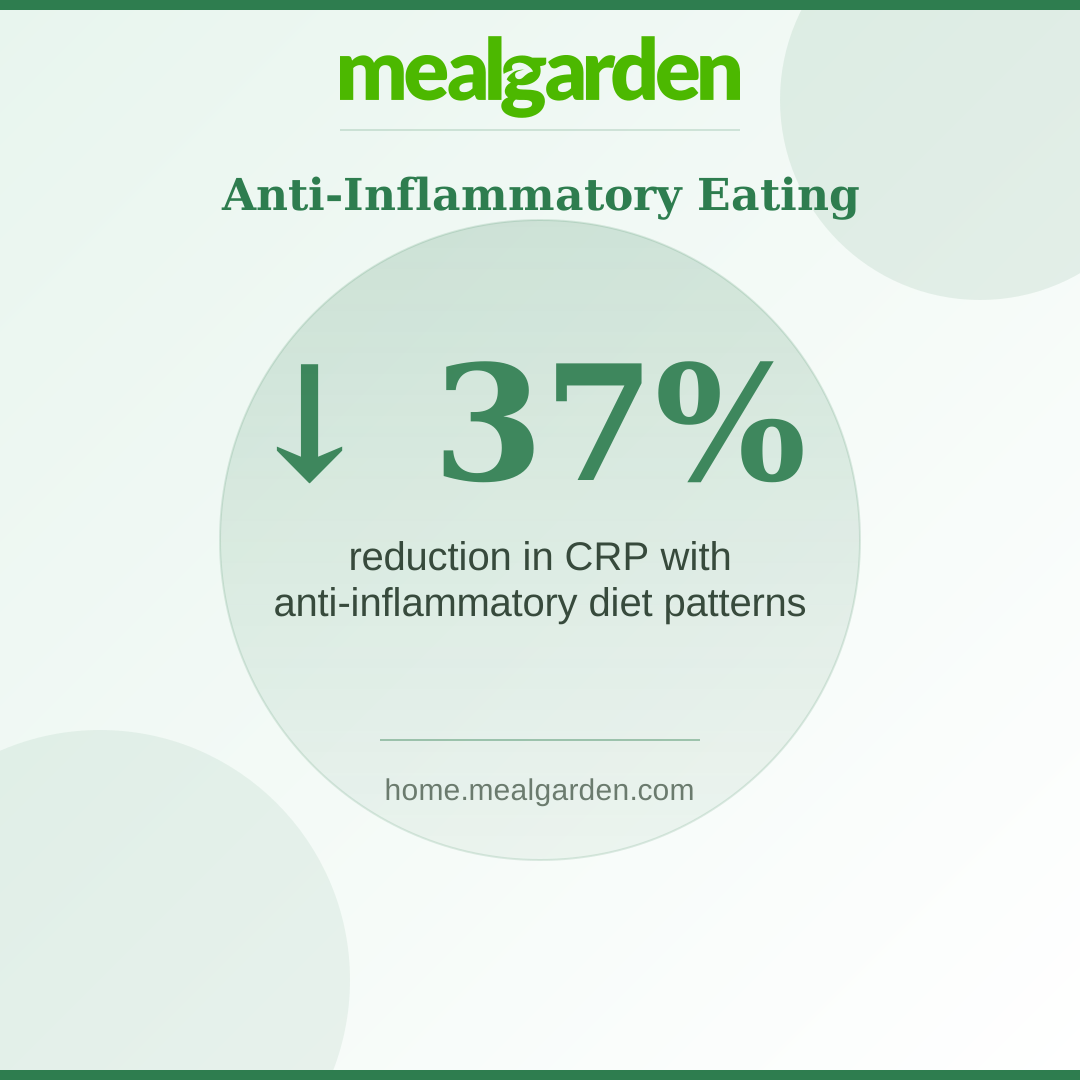
A meta-analysis by Schwingshackl & Hoffmann (2014) found that Mediterranean-style eating reduced CRP levels by up to 37% in intervention trials — a clinically significant reduction.
Foods That Fight Inflammation
- Fatty fish (salmon, sardines, mackerel): EPA and DHA reduce production of pro-inflammatory eicosanoids
- Extra virgin olive oil: Contains oleocanthal, which inhibits the same inflammatory enzyme as ibuprofen
- Berries and cherries: Rich in anthocyanins that down-regulate NF-κB (a key inflammatory signalling pathway)
- Leafy greens: High in vitamin K and antioxidants that reduce oxidative stress
- Turmeric/curcumin: Potent NF-κB inhibitor; absorption enhanced by piperine (black pepper)
- Nuts (especially walnuts): Polyphenols and ALA omega-3s with measurable anti-inflammatory effects
"There is no single anti-inflammatory superfood. The evidence points consistently to a dietary pattern — varied, plant-rich, minimally processed, with quality fats."
Foods That Promote Inflammation
- Ultra-processed foods (high in refined carbohydrates, trans fats, additives)
- Excess sugar and high-fructose corn syrup
- Refined seed oils high in omega-6 fatty acids (when disproportionate to omega-3 intake)
- Excess alcohol
- Red and processed meat in high quantities
The Pattern Is What Matters
Research consistently shows that it's the overall dietary pattern — not individual foods — that drives inflammatory status. This is why a Mediterranean-style diet, which naturally incorporates the protective foods above while minimizing pro-inflammatory ones, outperforms single-nutrient interventions in clinical trials.
For nutrition professionals, framing anti-inflammatory eating as a pattern to build rather than a list of superfoods to add is both more accurate and more empowering for clients.
Build anti-inflammatory meal plans for your clients using Meal Garden's dietitian-curated recipe library. Get started →
Reference: Schwingshackl, L. & Hoffmann, G. (2014). Mediterranean dietary pattern, inflammation and endothelial function: A systematic review and meta-analysis of intervention trials. Nutrition, Metabolism and Cardiovascular Diseases, 24(9), 929–939. https://doi.org/10.1016/j.numecd.2014.03.003

Help your clients achieve their results faster
Consumers needs are changing, don't be left behind.
Join today.