Few nutrients have attracted as much scientific interest as omega-3 fatty acids. From cognitive function to cardiovascular health to mood regulation, the research is compelling — and the practical guidance is more achievable than most clients realize.
The Three Types of Omega-3s
Not all omega-3s are created equal. The three primary forms differ significantly in their biological activity:
- EPA (eicosapentaenoic acid) — primarily anti-inflammatory; found in fatty fish and algae
- DHA (docosahexaenoic acid) — critical for brain structure and function; found in fatty fish and algae
- ALA (alpha-linolenic acid) — a plant-based precursor found in flaxseed, chia, and walnuts; converts inefficiently to EPA/DHA in the body (typically <10%)
This distinction is especially important for vegetarian and vegan clients, who may assume that consuming flaxseed adequately covers their omega-3 needs — it does not for EPA and DHA without supplementation from algal sources.
Brain Health: The Evidence
DHA makes up approximately 10–15% of total fatty acids in the brain's cerebral cortex. It plays a structural role in neuronal membranes and is essential for signal transmission between brain cells. Deficiency during development is associated with impaired cognitive function; in aging, adequate DHA is linked to preserved memory and reduced dementia risk.
Morris et al. (2005) followed 815 older adults over nearly four years and found that those who consumed fish at least once per week had a 60% lower rate of cognitive decline compared to those who rarely ate fish — independent of other risk factors.
Cardiovascular and Anti-Inflammatory Effects
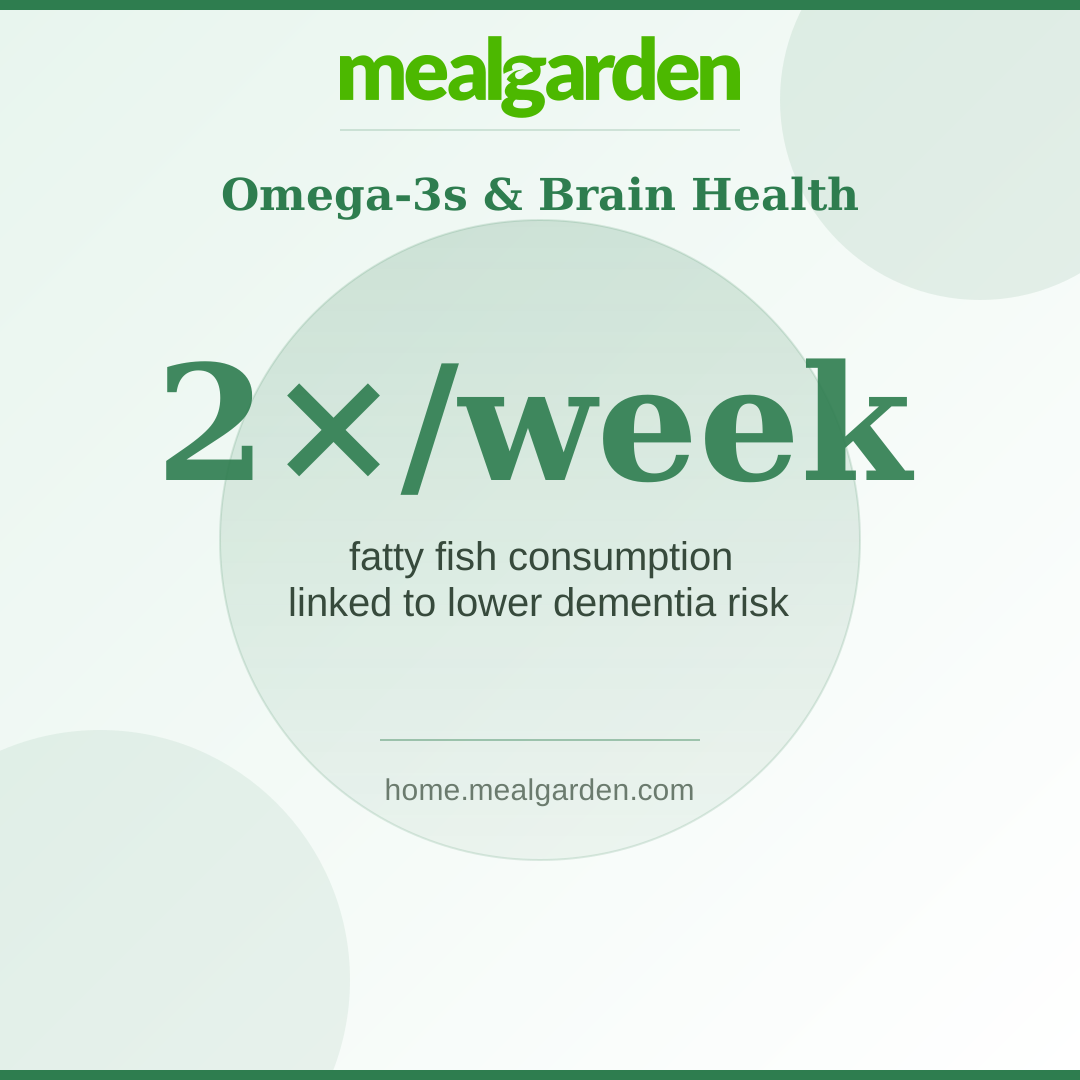
EPA is a precursor to anti-inflammatory eicosanoids and has been shown in multiple trials to reduce triglyceride levels, modestly lower blood pressure, and decrease platelet aggregation. Major cardiology bodies now recommend fatty fish at least twice weekly for cardiovascular risk reduction.
"DHA accounts for up to 15% of fatty acids in the brain's cortex. Getting enough isn't optional — it's structural."
Practical Recommendations for Clients
- Aim for 2 servings of fatty fish per week (salmon, sardines, mackerel, herring, trout)
- For plant-based clients: consider algal DHA/EPA supplements — the original marine source
- Include ALA-rich foods daily: flaxseed (ground), chia seeds, walnuts, hemp seeds
- Reduce competing omega-6 intake (refined vegetable oils) to improve the omega-3:6 ratio
Build omega-3 rich meal plans for your clients in minutes. Explore Meal Garden's recipe library — curated by in-house dietitians.
Reference: Morris, M.C. et al. (2005). Fish consumption and cognitive decline with age in a large community study. Archives of Neurology, 62(12), 1849–1853. https://doi.org/10.1001/archneur.62.12.noc50161

Help your clients achieve their results faster
Consumers needs are changing, don't be left behind.
Join today.
Related posts

Iron Absorption: Why Food Combinations Matter as Much as Iron Intake

GI vs. GL: Why Glycemic Load Is the More Useful Clinical Tool