Iron deficiency is the most prevalent nutritional deficiency worldwide, affecting an estimated 2 billion people. In North America, it remains the leading cause of anaemia, particularly among women of reproductive age, vegetarians, endurance athletes, and toddlers. Yet iron intake alone doesn't tell the full story — how iron is absorbed is equally important.
Heme vs. Non-Heme Iron: A Critical Distinction
Dietary iron exists in two fundamentally different forms:
- Heme iron — found in animal products (red meat, poultry, fish); absorbed at 15–35% efficiency regardless of body iron stores or meal composition
- Non-heme iron — found in plant foods (legumes, tofu, spinach, fortified cereals, seeds); absorbed at only 2–20% efficiency, and this rate is highly sensitive to other dietary factors
This is why vegetarians and vegans need approximately 1.8× the iron intake of meat-eaters to achieve equivalent absorption — and why food pairing strategies become essential.
Enhancers of Non-Heme Iron Absorption
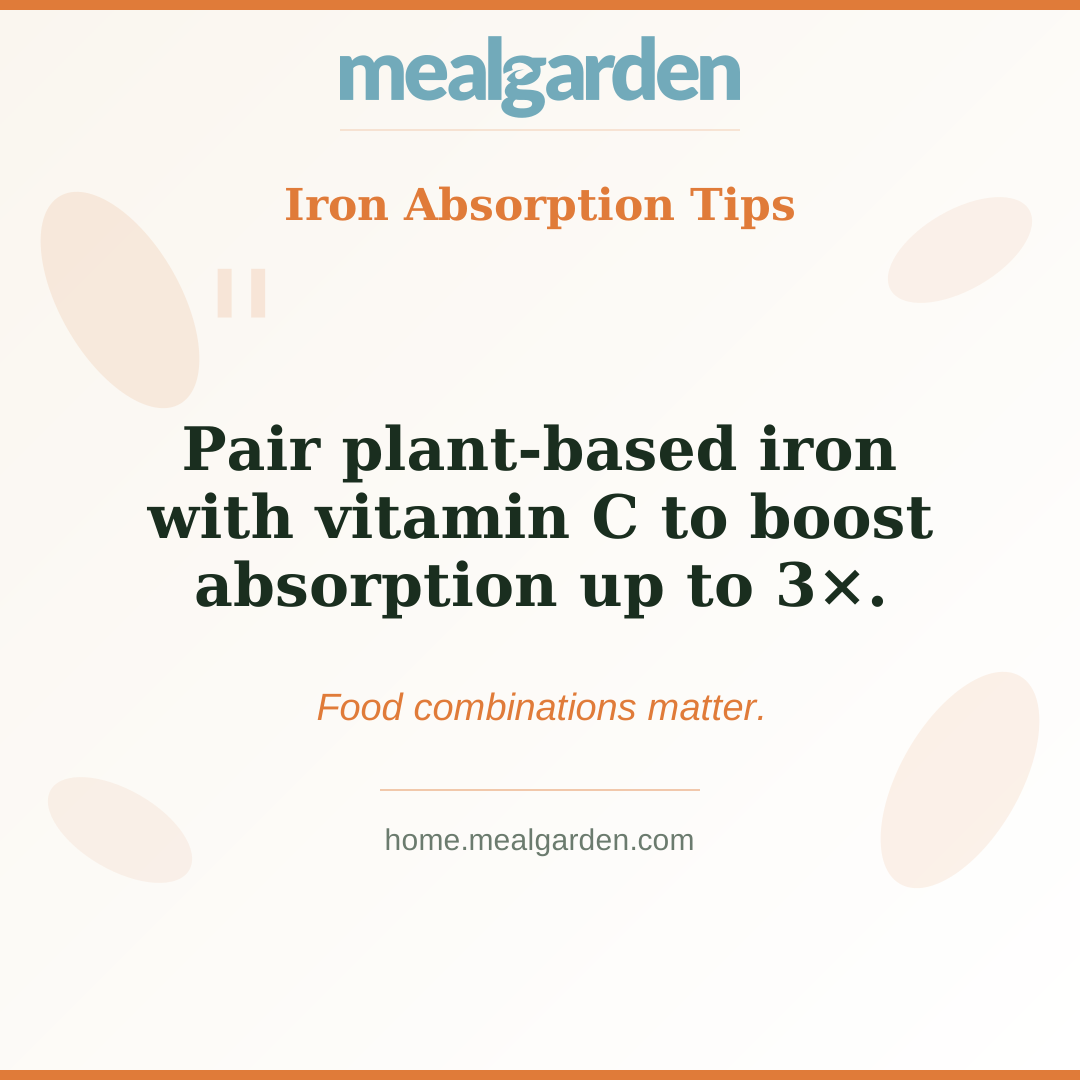
- Vitamin C (ascorbic acid): The most potent dietary enhancer of non-heme iron absorption. Even 25–75mg of vitamin C with a meal can increase iron absorption by 2–3 fold. Practical pairs: lentil soup + squeeze of lemon; oatmeal + strawberries; spinach salad + bell pepper; beans + tomato
- Meat, fish, or poultry (the "MFP factor"): A protein in animal tissue enhances non-heme iron absorption even in small amounts — a mixed meal strategy for clients who eat both plant and animal foods
- Fermentation: Sourdough bread and fermented soy products have higher iron bioavailability than their unfermented counterparts
"Adding 50mg of vitamin C to a plant-based iron source can triple its absorption. Food pairing is not a wellness trend — it is physiology."
Inhibitors to Be Aware Of
- Phytates: Found in whole grains, legumes, and seeds — bind iron and reduce absorption. Soaking, sprouting, and fermentation reduce phytate content
- Polyphenols: Tea and coffee contain tannins that significantly inhibit iron absorption — avoid drinking them within one hour of iron-rich meals
- Calcium: Competes with iron for absorption — avoid high-calcium foods or calcium supplements with iron-rich meals
Practical Guidance for Clients
Rather than simply telling plant-based clients to "eat more iron," a dietitian helps them construct iron-optimized meal contexts: which foods to combine, which to separate, and how preparation methods can dramatically alter bioavailability. This is exactly the kind of nuanced, individualized guidance that distinguishes dietetic care from generic nutrition advice.
Create iron-optimized meal plans for your clients with Meal Garden's recipe library — tagged by nutrient profile and dietary pattern.
Reference: Hallberg, L. & Hulthen, L. (2000). Prediction of dietary iron absorption: an algorithm for calculating absorption and bioavailability of dietary iron. American Journal of Clinical Nutrition, 71(5), 1147–1160. https://doi.org/10.1093/ajcn/71.5.1147

Help your clients achieve their results faster
Consumers needs are changing, don't be left behind.
Join today.
Related posts
Iron Absorption: Why Food Combinations Matter as Much as Iron Intake
GI vs. GL: Why Glycemic Load Is the More Useful Clinical Tool